

Lights, Camera, Introduction: The College Video Introduction, Explained
A college video introduction gives students a chance to be heard in their own words rather than only read on paper, and a growing number of colleges now invite one. At some schools, including Brown, the video has replaced the alumni interview entirely.
These videos offer students a real opening to share more about themselves in their own environment. Our students have filmed at a desk, in a dance studio, and on a soccer field. The videos do not need to be professionally produced or elaborate. The goal is to show the authentic student.
One of our students filmed herself in a Brown sweatshirt, introducing herself with a nod to Elle Woods, and her sense of humor carried the whole thing. Another sat at his computer, talking about environmental activism before cutting to footage of him leading a climate protest. A third spoke about competing internationally in gymnastics and included a short clip of a floor routine.
There is no one size fits all approach. All three videos worked for the same reason: they were appropriate, interesting, and genuine. Instead of aiming for cinematic perfection, aim to show authentic presence.
What Colleges Are Really Looking For in a Video Introduction
Approach a video introduction the same way you would approach a short, warm conversation. Admissions officers are not looking for cinematic brilliance. They want to see personality, clarity, and genuine enthusiasm. These videos should feel natural and reflective, not staged or rehearsed.
This is the same standard we apply across every part of an application. Authentic. Aligned. Verifiable.™ A video works when it sounds like the student, points toward what the student actually cares about, and matches what the rest of the application already shows.
How Long Should a Video Introduction Be?
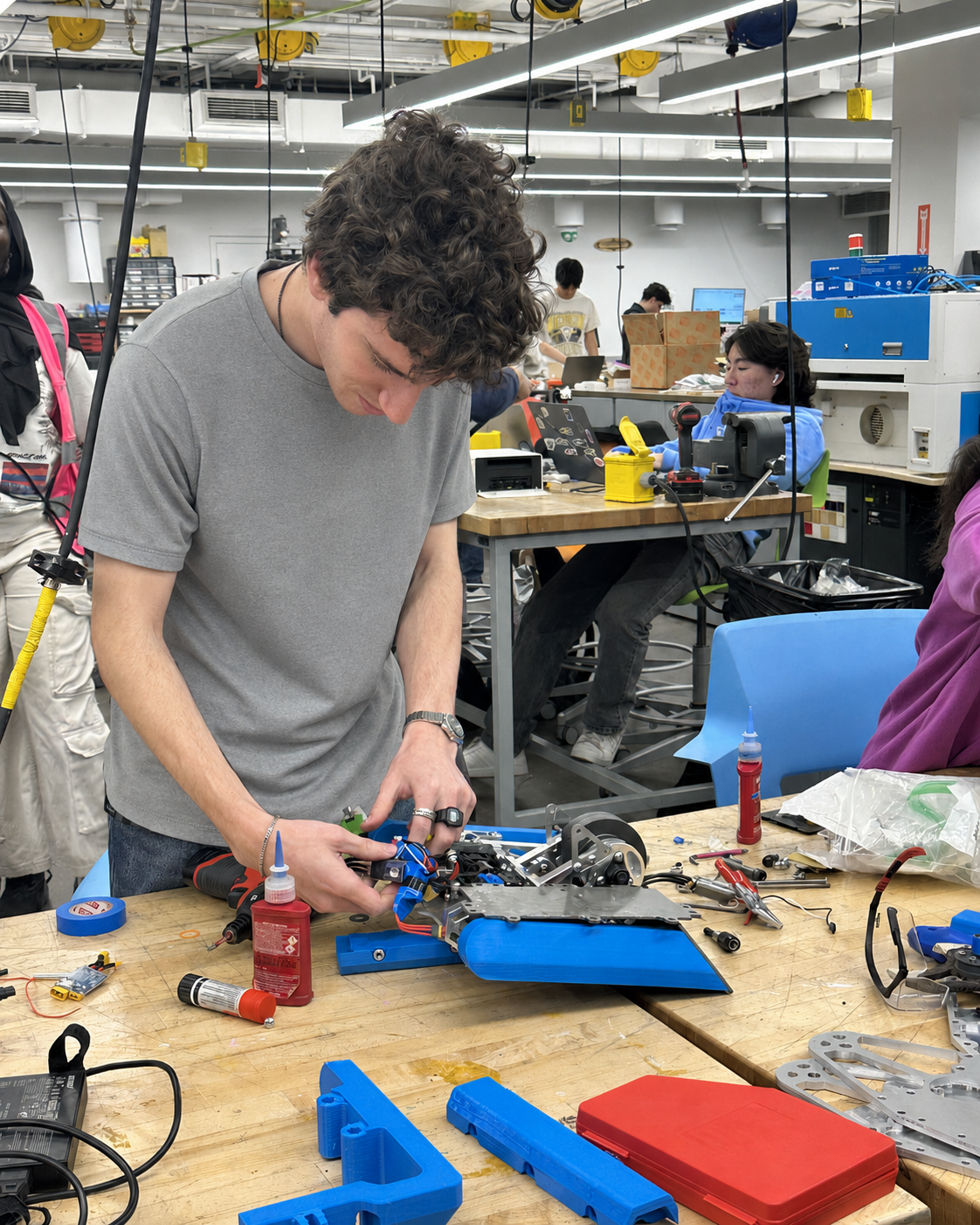
If there is a time limit, follow it carefully. If no time limit is stated, aim for something short and meaningful, around 60 to 90 seconds. Do not feel tied to recording yourself talking at your desk. Film where the interest lives. That could be outside, flying the drone you built. Behind a pottery wheel, working on your newest piece. Or at a podium where you gave a speech that mattered to you.
A Simple Structure That Works
1. Warm Introduction
Start with the basics. Share your name, your high school, where you are from, and your academic interests. Add one sentence about what lights you up intellectually or personally.
For example:
“Hi, I’m Skyler Brooks from Austin, Texas. I’m a senior at Austin High School, and I plan to study environmental engineering. I’m most excited by solving real-world problems using sustainable design.”
Keep it clear and grounded.
2. A Story That Reveals Something About You
This is the heart of the video. Instead of describing your qualities, choose one short anecdote that shows who you are. It could be a challenge that shaped you, a moment of growth, or an accomplishment that mattered.
Instead of saying you are resilient, show a moment when you had to be.
For example:
“When I led our school’s robotics team during the pandemic, our robot completely flopped the first time we competed. Instead of panicking, we improvised and reprogrammed it on the spot. We ended up making it to the finals. That taught me that leadership is mostly about staying grounded so the whole team can focus on the task at hand.”
Specificity always wins.
3. Why This College
Speak directly about why you are drawn to the school. This is especially impactful if you have already shown demonstrated interest. Frame your answer around three areas:
- Academics: a department, program, or professor
- Community: culture, values, or collaboration
- Future: the kind of work or impact you hope to pursue after college
For example:
“I’m drawn to Brown because of the Open Curriculum. I love the idea of designing my own path across climate technology and public policy. I want to be part of a community that values interdisciplinary thinking and encourages students to think past the classroom.”
Show that you have done your homework.
4. Closing
End with a brief, sincere conclusion. Express excitement about contributing to the college community and growing within it.
For example:
“I’m excited to bring my creativity, optimism, and curiosity to a school where I can grow and give back.”
Keep it simple.
Final Tips for Recording
Use natural language. Speak the way you normally talk, just slightly more polished. Record in a quiet space with good lighting. Keep the background clean and free of distraction. Practice your delivery, but do not memorize every word. You want to sound prepared, not robotic. One steady take of the real student beats five polished takes of someone performing.
Sample Video Script
Hi, I’m [Name], a senior at [High School] in [City, State], and I plan to study [Intended Major or Academic Interest].
What draws me to this field is [short sentence about your curiosity or interest]. Last year, I [brief story or project that shows initiative, growth, or creativity]. It challenged me, but it also confirmed that this is the work I want to keep doing.
Outside the classroom, I spend my time [short description of activities or interests]. My friends would probably describe me as [one or two authentic traits].
I’m excited about [College Name] because of its [specific program, philosophy, or value]. I’m looking for a community where I can grow, experiment, and contribute, and I see that in [School Name]. Thank you for watching.
Not sure whether your student’s video introduction is landing the way it should? We work with families one on one to make every optional component of the application earn its place. Book a free consultation.
Tailoring the Video to Your Interests
Students should shape their videos differently depending on their strengths and interests:
- STEM students can highlight a hands-on project, a competition, or a problem they solved.
- Humanities students can talk about a book, a conversation, or an idea that shifted their perspective.
- Artists and creatives can describe something they designed, wrote, or performed, and show a glimpse of the work.
- Interdisciplinary students can explain how they connect ideas across fields or communities.
Video introductions are one more way to add dimension to an application. They are not about impressing the admissions team with an Oscar-worthy production, unless filmmaking happens to be the interest you are showing. A good video shows the real student behind the transcript, the curiosity behind the activities list, and the part of the story that paper cannot quite hold. However, the video should not repeat what the supplemental essays already cover.
Frequently Asked Questions
Is a video introduction required?
In almost every case, no. Where a college offers a video introduction, it is an optional component of the application. Brown, for example, encourages applicants to submit one when possible and states that an application without a video is still considered thoroughly, alongside all of the other information provided. Submit one when there is something real to add that the rest of the application does not already show, and skip it when the video would only repeat the essays.
Does production quality matter?
Less than most students expect. Admissions officers are watching the person on camera, not the editing. A steady phone camera, clear audio, natural light, and a quiet room cover everything that actually matters. Effects, background music, and rapid cuts tend to pull attention away from what the student is saying, which is the opposite of the goal.
What should I avoid in a video introduction?
Avoid restating the resume, since the reader has already seen it. Avoid a script memorized word for word, because delivery that sounds recited reads as less genuine than a slightly imperfect take. Avoid going past a stated time limit, and avoid settings or props that pull focus from the student. If a viewer would remember the background before they remember the person, film somewhere else.
Work With Us
Every student has something worth saying on camera, and most need help finding it before the record button goes on. Our counselors work one on one with students to identify the story that belongs in the video and the material that belongs elsewhere in the application. Schedule a free consultation to get started.